Executive Takeaways for Fleet Owners
Understand the vital role of Battery Management Systems (BMS) in commercial electric 3-wheelers and delivery vans. Real-time cell voltage balance, thermal alerts, and battery health telemetry.
The Lithium Battery Revolution in Commercial Transit
Electric commercial vehicles—including last-mile delivery vans, e-rickshaws, and electric two-wheelers—are expanding rapidly across Bangladesh's transportation grid. In any EV architecture, the lithium-ion battery pack accounts for over 40% of the entire vehicle asset value. Protecting and optimizing this investment requires sophisticated telematics integrated directly with the vehicle's Battery Management System (BMS).
What Does an IoT-Connected BMS Actually Do?
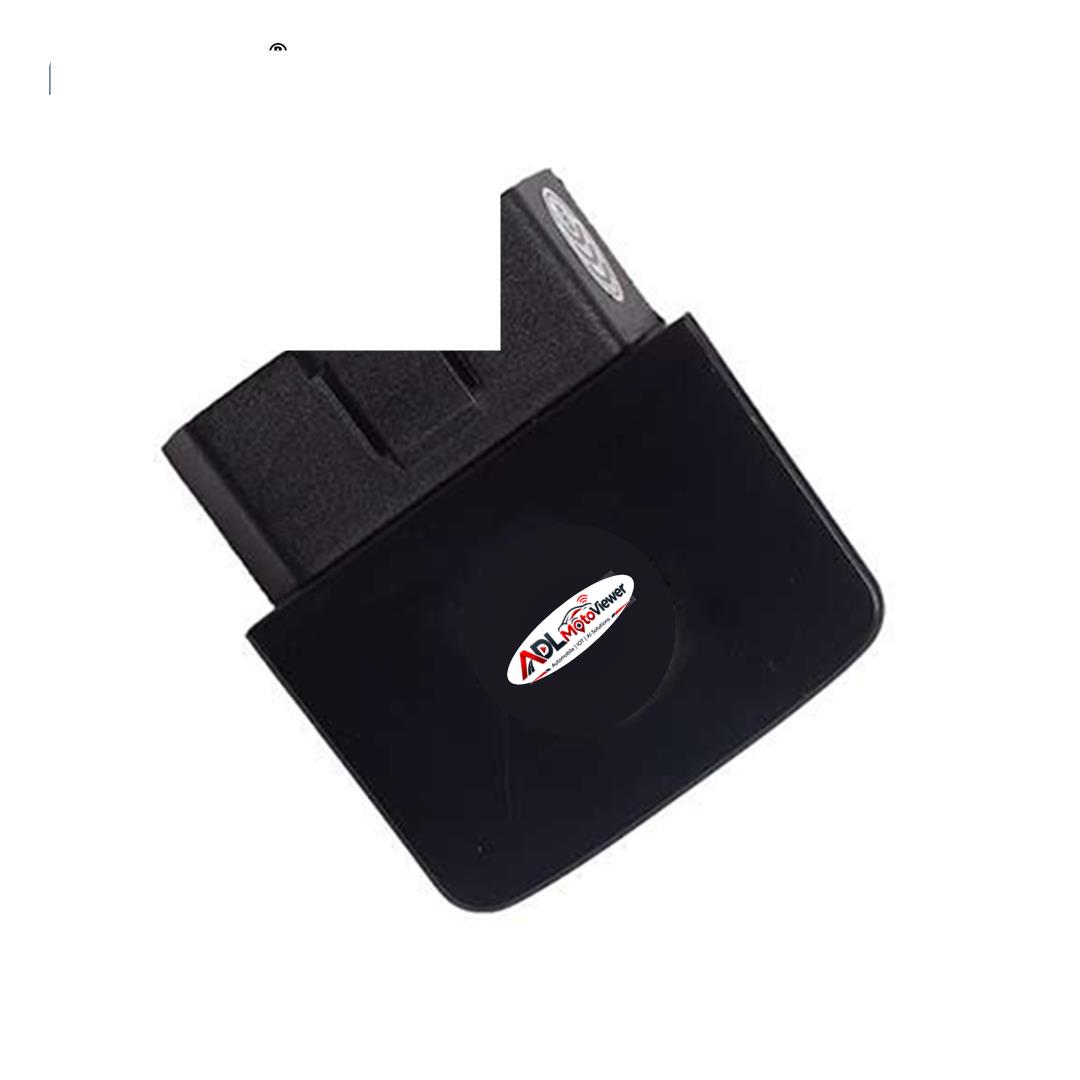
An intelligent BMS acts as the brain and guardian of the high-voltage battery pack. When interfaced with ADL Moto's cloud telematics gateway, fleet operators monitor critical parameters in real-time:
- State of Charge (SOC) & Remaining Range: Accurate percentage telemetry eliminates driver range anxiety and prevents mid-route battery depletion on busy expressways.
- State of Health (SOH) Degradation Analytics: Tracks historical charging cycle counts, cell internal resistance, and capacity retention over time to predict battery replacement cycles months in advance.
- Cell-Level Voltage Balancing: Detects weak or mismatched individual cells before unbalanced charging damages neighboring cells.
- Thermal Runaway Prevention: High tropical ambient temperatures combined with fast DC charging create significant heat buildup. Automated thermal alerts instantly throttle current draw if temperatures approach critical thresholds.
By pairing live GPS tracking with BMS diagnostics, green fleet operators maximize battery lifecycle longevity from 3 years to over 5 years, delivering unmatched total cost of ownership (TCO) savings.
Ready to Experience ADL Moto Telematics on Your Fleet?
Get custom fleet pricing and schedule an on-site technical demonstration in Dhaka, Chattogram, Rangpur, or anywhere in Bangladesh.